Setting the stage
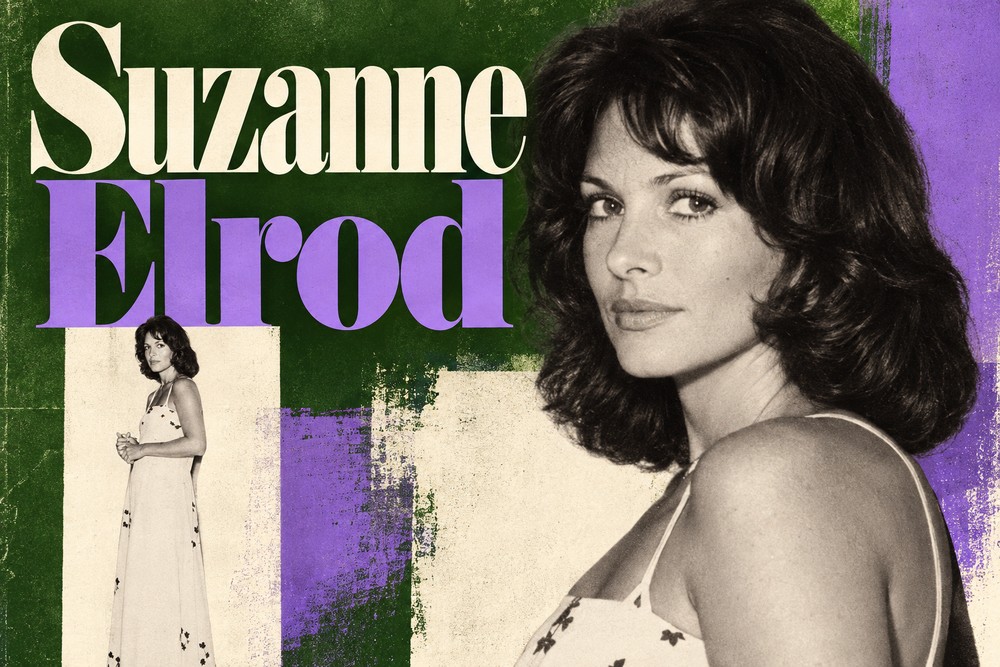
Suzanne Elrod occupies a striking place in the story of Leonard Cohen, yet she is not a front-of-house celebrity. I see her less as a headline and more as a lens. Through her we glimpse a family forming, art in motion, and the quiet confidence of someone who shaped a life on her own terms. Her name threads through the 1970s like a ribbon, tying together love, work, and children. The public record gives us lean details, but the silhouette is unmistakable. Partner. Artist. Mother.
Life with Leonard Cohen
Suzanne met Leonard around the end of the 1960s and lived alongside his rising fame during a decade when poetry, folk songs, and intimate photographs drifted into the cultural bloodstream. Their relationship was complicated, tender, and ultimately finite. They stayed together through much of the 1970s and parted near the decade’s end. Cohen later reflected that fear and hesitation kept him from marrying, a confession that humanizes the myth and leaves room for the real people who shared his days.
In their years together, Suzanne appears not only as a companion but as a collaborator. She is present in visual traces connected to Cohen’s recordings and is credited for photography used in his work. Rather than a muse turned to stone, she is a participant on the creative stage, helping shape how that era looked and felt.
Children and generation next
Two children anchor the family’s legacy. Adam Cohen was born in 1972 and forged his own path in music, with a solo career and band leadership. His work carries a familial echo while speaking in his own voice. He is a father as well, to a son named Cassius.
Lorca Cohen arrived in 1974 and leaned into visual storytelling. She photographed and filmed, contributing to projects tied to her father’s catalog and touring life. Lorca’s life is visibly rooted in art, framed by cameras and backstage corridors, and it has grown into a family of her own. Her daughter, Viva Katherine Wainwright Cohen, was born in 2011, and Lorca also has a son named Lyon. The next generation reflects a broad creative constellation, where music and images continue to orbit the family name.
Artistic footprints
Suzanne’s creative identity is bound up with photography. In the public record, she is credited with images used by Cohen and appears across album-associated visuals. These are not exhaustive credits, nor do they outline a full career in galleries or salons, but they do mark her presence on the artistic map. I think of those pictures as small windows into the everyday intimacy of creation. A camera closes the distance between the subject and the person who knows them best. It is not just documentation. It is a way of seeing.
Her artistic footprint, while selective in public listings, suggests a life engaged with image-making and a willingness to be both observer and participant. In the creative life, there is a particular courage in choosing the backstage vantage point, knowing that your work shapes the atmosphere even if your name is not the marquee.
Gossip and public perception
Where there is fame, there is gossip, and Suzanne’s story naturally attracts it. Some commentators link specific songs from Cohen’s late 1970s period to her, and debates swirl about who inspired what. I treat that terrain cautiously. Art is rarely a single-muse story. It is a composite of moments and emotions, a collage cut from life. For Suzanne, the verified details matter more than speculation. Partner in the 1970s. Mother of Adam and Lorca. Artist with photography credits. These anchors hold steady even as commentary shifts with time.
Names and mistaken identities
Suzanne Elrod is often confused with another Suzanne from Cohen’s world. It is a name that carries its own mythology, thanks to an early signature song. The two women are distinct. Suzanne Elrod lived with Cohen, raised children with him, and appears in visual credits tied to his work. Untangling their identities is important. It restores clarity to stories that otherwise blend into a single figure.
Timeline of public milestones
Stories are maps. Here is a simple navigation through what is known.
In the late 1960s they met, in a moment when songwriting and poetry were reinscribing themselves into popular culture. By 1972 their first child, Adam, was born. In 1974 their daughter, Lorca, followed. The relationship shifted as the decade aged, and by 1979 they had separated. Adult lives fanned outward. Adam sang and recorded. Lorca captured images and contributed to her father’s projects, including video work and touring photography. Grandchildren arrived, infusing the family narrative with new voices and new photos in old frames.
Family gallery
When I sketch the family by memory and public record, I see this layout.
Suzanne Elrod at the center of an intimate decade. Leonard Cohen alongside her, a partner whose own biography towers over popular culture yet remains deeply personal in the domestic sphere. Adam, a son who writes and performs, carrying the lineage into new rooms. Lorca, a daughter who makes pictures and documentary moments, moving with cameras and the hush of backstage. Grandchildren drift into view. Cassius with Adam. Viva and Lyon with Lorca. Each name signals continuity and change, belonging and branching out.
This is not celebrity wallpaper. It is a home built across time and art, with rooms that still echo when you close the door.
Privacy and presence
Suzanne does not occupy the celebrity spotlight. Public-facing details are careful, focused on creative credits and family connections. That restraint feels intentional and dignified. Dignity can be a form of artistry in a world that rewards spectacle. Remaining present in the narratives that matter and private in those that do not is a choice that shapes how a life is seen.
FAQ
Who is Suzanne Elrod in the context of Leonard Cohen’s life?
She was Cohen’s partner for much of the 1970s and the mother of his two children. Her presence is documented in that decade’s family and creative life, including photography credits connected to his work.
Did Suzanne Elrod and Leonard Cohen marry?
They did not marry. Cohen later spoke about fear and hesitation as reasons he did not take that step. The relationship was real and lasting during that period, and they eventually separated near the end of the 1970s.
How many children does Suzanne Elrod have, and what do they do?
She has two children with Leonard Cohen. Adam is a singer and songwriter with both band and solo work. Lorca is a photographer and videographer who has contributed to projects tied to her father’s music and tours.
Are there grandchildren in the family?
Yes. Adam is father to a son named Cassius. Lorca has two children, her daughter Viva Katherine Wainwright Cohen and her son Lyon. The family spans multiple generations of creative lives.
Is Suzanne Elrod the same person as the Suzanne from the famous song?
No. She is distinct from the woman commonly associated with Cohen’s early song. Suzanne Elrod’s public story centers on her partnership with Cohen in the 1970s, her role as mother to Adam and Lorca, and her photography credits.
What are Suzanne Elrod’s artistic contributions?
She is credited with photography used by Leonard Cohen and appears in visual materials from that era. While her broader body of work is not widely cataloged in public venues, the credits that exist reflect her role in shaping images of a singular artist and time.