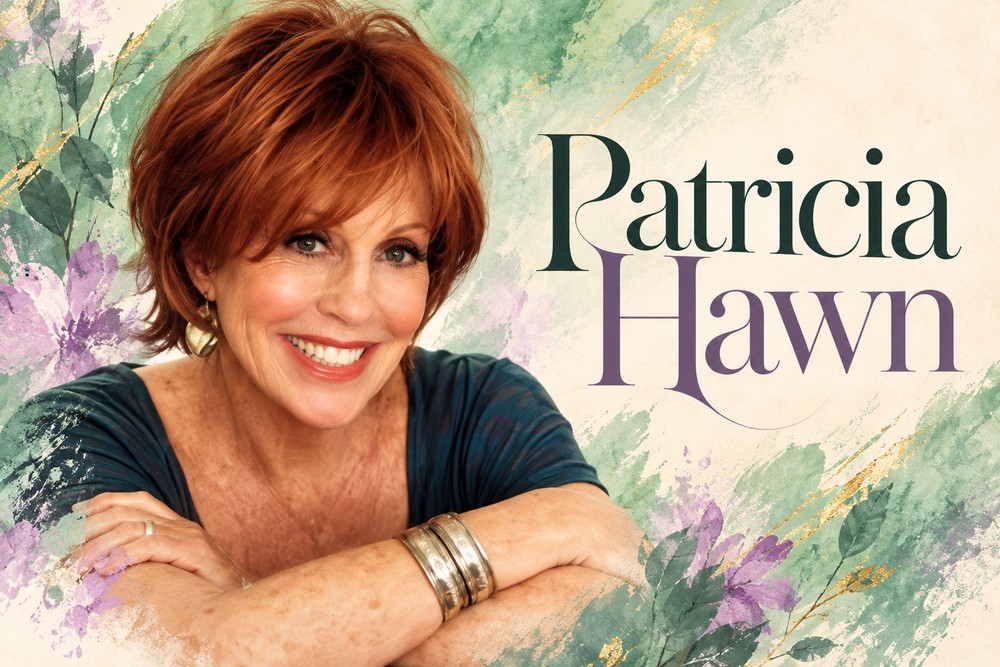
A name in the credits, a story in the shadows
When I think about Patricia Hawn, I picture a lighthouse just off the set, steady and essential, guiding the ship while the stars command the sky. Most people know her younger sister, Goldie Hawn, as a household name. Fewer know Patricia, often called Patti, whose long career as a film publicist and her own memoir carve out a compelling life story in their own right. Most public biographies place her birth on March 24, 1938, and that timing says something about the arc of her life. She came of age as American entertainment transformed itself. Then she stepped behind the camera’s glare and helped shape the stories that reached us.
She is the author of Good Girls Don’t, a memoir that looks straight into personal history without flinching. The book centers on a secret teenage pregnancy in 1958, the decision to place the baby for adoption, and a reunion decades later. It is not a gossip item. It is a testimony to the long echo of choices, and it gave many readers a language for private, complicated truths.
Early life and the Hawn household
The Hawn family story reads like a small American symphony. Patricia’s father, Edward Rutledge Hawn, known as Rut, was a professional musician and band leader. Her mother, Laura, kept both art and enterprise alive, running a jewelry shop and teaching dance. The rhythms of that home matter. Music in the air. Choreography underfoot. Work intertwined with art. The stage was never far away.
Before Patricia and Goldie were born, the family endured the death of an infant son, Edward Jr., in 1937. The shadow of that loss lingered, quiet and formative, the way such losses do. Patricia grew up in the Washington, D.C. area, a setting that combined the hum of government with a local arts scene that nurtured performers and teachers alike. Out of that home came two daughters who both moved toward entertainment. One into the camera’s beam. One into the current behind it.
A career behind the lens
What does a unit publicist do, exactly? I think of it as the connective tissue of a production’s public life. The unit publicist shepherds information from set to press, lines up interviews, shapes the narrative of how a film will meet its audience, and helps create the materials that outlast the shoot. It is a craft that rewards composure, speed, and the ability to hear a room.
Patricia’s credits include films that defined different moments in mainstream cinema. Ghost remains a touchstone romance with a supernatural edge. Executive Decision brought high-tension action. August Rush wrapped music and destiny into a modern fable. Raising Helen and Bride Wars tapped into the pleasures and pitfalls of family and friendship. Across these projects, Patricia’s role was consistent. Clear messaging. Strong relationships. An eye for how a story’s heartbeat could be felt from a poster, a press packet, a well-placed interview. It is not glamorous in the Hollywood sense, but it is the kind of work that keeps a film’s public face coherent and compelling.
The memoir and the reckoning
Good Girls Don’t begins with a young woman in 1958 confronting a truth that society did not make room for. The book traces a path from secrecy to surrender to reunion, and it is written with the kind of plainspoken courage that can only come from lived experience. I appreciated how it holds space for multiple realities at once. The hope and the ache. The way an old decision can reverberate across decades. The way reunion can be joyous and complicated. The memoir treats adoption not as a headline but as a lived landscape of identity, love, and loss. For many readers, it offered recognition. For others, education. For Patricia, it was a reclaiming.
Sister, aunt, and kinship ties
Family sits at the center of Patricia’s public identity. She is the older sister of Goldie Jeanne Hawn, whose career in film and television needs no introduction. Through Goldie, Patricia is aunt to a trio of familiar names. Kate Hudson and Oliver Hudson, both actors, and Wyatt Russell, also an actor, extend the Hawn family presence into a second generation of screens and sound stages. Those kinship lines show the breadth of the family’s creative current, with Patricia’s quiet, steady work flowing alongside the performances that often dominate the headlines.
Personal life notes
Public biographies often describe Patricia’s personal life with a few spare strokes. They frequently list marriages to Joseph McKenna and Andrew Birznieks, and a current marriage to Stephen Mitteldorf, with variations in the spelling of his surname appearing in some listings. Those same biographies often name two sons, Michael McKenna and David Birznieks. As with many public figures adjacent to the entertainment industry, details can shift depending on the source, and I treat these items as the commonly reported outline rather than formal civil records. What remains constant across accounts is the picture of a woman who built a long working life while navigating the complexities that families carry.
Home base and public presence
Los Angeles has been the professional gravity for much of Patricia’s career. Over the years, she has been associated with the beachside communities that attract industry professionals who like to be close to the action while keeping a bit of salt air between themselves and the studio lots. She reads from her book, appears at author events, and shows up in photos at family milestones. You can spot her in the background of public ceremonies, poised and smiling, the way veterans of publicity tend to be. Comfortable near a camera. Rarely the subject of it.
Filmography snapshots
Here are a few of the films most often associated with Patricia’s work as a unit publicist:
- Ghost
- Executive Decision
- Raising Helen
- Bride Wars
- August Rush
The variety here is telling. Romance, action, family comedy, musical drama. That spread suggests a professional who can adapt to different tones and production cultures, meeting each project where it is and helping it reach the world.
Why Patricia Hawn matters
I admire professionals who create the conditions for others to shine. Patricia’s career is a study in that art. Publicity is equal parts strategy and presence. It requires stamina, diplomacy, and a storyteller’s ear. Add to that her memoir, which brings her private life into the light with care and resolve, and you have a portrait of a woman who understands both the front of the house and the backstage. She knows how narratives are made. She knows how they can heal.
Her family ties ground her in a broader cultural story that many people already follow. The Hawn name evokes laughs, charm, and a certain golden California aura. Patricia’s story adds texture to that image. It reminds us that families are networks of effort and care, of triumphs and trials, and that work behind the scenes is often where the most enduring legacies are woven.
FAQ
Who is Patricia Hawn?
Patricia Hawn, often called Patti, is an American film publicist and author. She is known for her long run as a unit publicist on major studio films and for her memoir, Good Girls Don’t, which recounts a 1958 teenage pregnancy, the decision to place her baby for adoption, and their reunion years later.
How is she related to Goldie Hawn?
She is Goldie Hawn’s older sister. Through Goldie, Patricia is the aunt of Kate Hudson, Oliver Hudson, and Wyatt Russell.
What is Good Girls Don’t about?
Good Girls Don’t is a personal memoir that looks at the experience of a secret pregnancy at a time when such truths were often hidden, the choice of adoption, and the emotional landscape of reconnecting with a child decades later. It speaks to shame, resilience, and the redemptive possibilities of honesty.
What films has she worked on?
As a unit publicist, Patricia worked on a range of well known films, including Ghost, Executive Decision, Raising Helen, Bride Wars, and August Rush. Her role focused on shaping a film’s public narrative, organizing media access, and stewarding the materials that connect productions to audiences.
What do we know about her early life and parents?
She grew up near Washington, D.C., in a household infused with music and dance. Her father, Edward Rutledge Hawn, was a professional musician and band leader. Her mother, Laura, taught dance and ran a jewelry shop. The family also endured the loss of an infant son before Patricia and Goldie were born.
Is there verified information about her spouses or children?
Public biographies often list marriages to Joseph McKenna and Andrew Birznieks, and a current marriage to Stephen Mitteldorf, with spelling variations appearing for the latter’s surname. Those same biographies commonly name two sons, Michael McKenna and David Birznieks. Listings can vary by source, so I treat these as widely reported public details rather than official records.
Where has she lived and worked?
Her professional base has been in the Los Angeles area, with longstanding ties to the film industry and to beachside communities favored by entertainment professionals. Her work has taken her onto sets and into the publicity trenches for many studio productions.
What is her net worth?
There is no authoritative public estimate of Patricia Hawn’s net worth. Given the variability and speculation common in such figures, I do not offer a number.