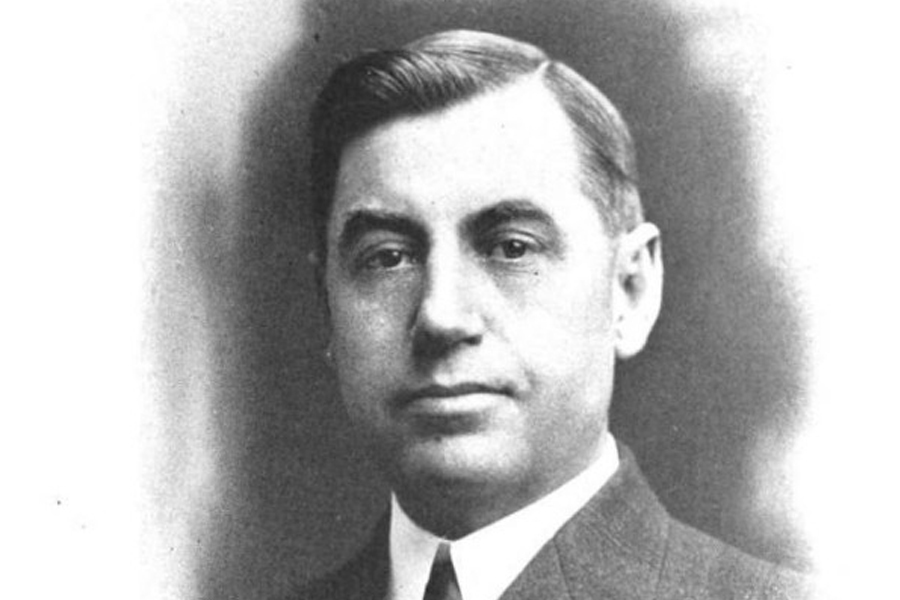
A Life Rooted in Seattle’s Growth
When I think about James Willard Maxwell, I picture steady hands on the tiller during a changing sea. Born on February 27, 1901, in Lincoln, Nebraska, and raised in Seattle from infancy, he came of age with a city finding its modern identity. He graduated from Broadway High School and the University of Washington, then stepped directly into the world of banking, a choice that felt almost like destiny. His father, James Willard Maxwell Sr., had already carved out a reputation as a foundational banker in Seattle, and the son followed that path with a sense of duty and calm resolve.
Maxwell’s life never collided with sensational headlines. Instead, it moved through a clear arc of education, work, family, and service. He passed away at age 59 on August 30, 1960, after a stroke at home in Seattle. His memorial was private, his cremation quiet, his legacy measured more by what he built than by what he owned.
Banking Career and Civic Leadership
Maxwell began at National City Bank, the institution linked to his father’s enterprise, and learned the craft of finance as the city shook off Depression-era anxieties and embraced postwar growth. In time, he rose to Vice President at Pacific National Bank, a role that placed him at the heart of Seattle’s mid-century economic engine. He retired in December 1959, just months before his death, leaving colleagues with the image of a calm professional who prized competence over spectacle.
What I admire most is how he treated civic duty not as an accessory but as a main thread. He was a trustee of the Seattle Historical Society, a member of the Seattle Transit System Commission, and a longtime presence in the Seattle and King County Municipal League as board member and treasurer. He served as treasurer for United Good Neighbors in 1956 and 1957, helped lead the Washington State International Trade Fair in 1958, and stayed active with organizations like the Rainier Club, Phi Gamma Delta, and the Seattle Bond Club. Taken together, these roles show a man pouring time and energy into the city he called home, a quiet architect of community infrastructure.
Family Ties and Notable Descendants
The family story surrounding James Willard Maxwell is both intimate and widely known. He married Adelle Thompson on September 24, 1926, in King County. Their daughter, Mary Ann Maxwell, born July 5, 1929, would become Mary Maxwell Gates, a formidable presence in Seattle’s civic life in her own right. Mary served on boards including the University of Washington regents, United Way, and IBM, and married William H. Gates Sr., the lawyer and philanthropist.
Through Mary came three grandchildren who extended the Maxwell ethos of education and service into a new era. William Henry Bill Gates III, born October 28, 1955, co-founded Microsoft and later became one of the world’s leading philanthropists. His sisters, Kristianne Kristi Gates Blake and Elizabeth Libby Gates Armintrout, carried forward the family’s deep interest in business and community work. Great-grandchildren widened the circle further, including Jennifer, Rory, and Phoebe Gates, each carving independent lives while linked by legacy.
I find something moving in this progression. The Maxwell family did not trumpet wealth or status. Their story reads like a series of rooms opening into other rooms, each one framed by education, civic service, and professional seriousness. It is no surprise that discussions of Bill Gates often trace back to a grandfather who worked in banks and a mother who excelled in governance and philanthropy.
Ancestral Lines and Early Foundations
To understand Maxwell, I look upstream. His parents were James Willard Maxwell Sr., born in 1864, and Belle Oakley, born in 1872. Sr. came out of the American Midwest with the disciplined energy of a builder. He served as bank president and chairman, and engaged in public roles related to finance and education. The maternal side, marked by the Oakley name, brought additional threads of steadiness and community-mindedness. Paternal grandparents included Thomas George Maxwell, a doctor, and Louisa Mary Woodworth Maxwell, tying the family into professional traditions of care and discipline. Ancestral names like Harvey Woodworth and Delia Jane Tupper appear in records, placing the Maxwell lineage within broader American settings of migration and upward mobility.
Genealogical notes can sometimes blur across generations, and I treat them with care. What matters most is the fabric of values that appears consistently in the family line, a fabric woven from duty, learning, and civic contributions.
Faith, Health, and the Final Years
Maxwell adhered to Christian Science, a belief system that influenced how he approached health in later life. He relied on spiritual practice and family support over conventional medical treatment. That choice framed his final months and reminds me that biographical truths often sit alongside private convictions. His death from a stroke brought an end to a compact and productive life. There were no controversies, no courtroom dramas, no tabloid intrusions. His community remembered him for reliability and service, a banker who treated his city as a client worth investing in.
Reputation, Wealth, and Modern Mentions
The mid-century world did not broadcast executive net worth, and Maxwell’s was never publicly tallied. Even so, his career suggests stability, probably the comfortable upper middle class common to successful bankers of the period. More interesting to me is the way his name now surfaces mostly in the context of his descendants. Discussions about Bill Gates often circle back to family roots, pointing out a grandfather in banking and a mother on powerful boards. In online forums, I sometimes see myths and mix-ups, especially confusing Sr. and Jr. or attempting to tie the American Maxwell line to unrelated European stories. The reality is simpler. James Willard Maxwell Jr. was part of a distinctly American family, anchored in Seattle, working for its institutions, and handing down a set of values rather than a headline.
FAQ
Who was James Willard Maxwell Jr.?
He was a Seattle banker and civic leader, born in 1901 and deceased in 1960. He built a career at institutions connected to his father’s banking legacy, rose to Vice President at Pacific National Bank, and devoted time to organizations that shaped Seattle’s cultural and civic life.
How is he related to Bill Gates?
He is the maternal grandfather of Bill Gates. Maxwell’s daughter, Mary Maxwell Gates, married William H. Gates Sr. and became a prominent figure in Seattle’s civic and educational circles. Through Mary, Maxwell’s commitment to community carried forward to later generations.
What were his major civic roles?
He served as trustee of the Seattle Historical Society, participated in the Seattle Transit System Commission, helped lead the Seattle and King County Municipal League as board member and treasurer, and took on leadership roles with United Good Neighbors and the Washington State International Trade Fair. He also stayed active in local clubs and professional associations.
Did he have any public controversies?
No. Historical records and obituaries portray him as steady and respected. He did not attract scandal, and his reputation rests on professional conduct and civic engagement.
What do we know about his faith and health?
He followed Christian Science, which shaped his approach to health in later years. He relied on spiritual care rather than conventional medicine, and he passed away from a stroke in 1960 at age 59.
Was his net worth known?
No public records estimate his net worth. That kind of detail was rarely disclosed for mid-century executives. His work and position suggest financial stability without pointing to extraordinary wealth.
Who were his immediate family members?
He married Adelle Thompson in 1926. Their daughter, Mary Maxwell Gates, became a well known civic leader and board member. Grandchildren include Bill Gates, Kristi Gates Blake, and Libby Gates Armintrout. Great-grandchildren such as Jennifer, Rory, and Phoebe Gates reflect the family’s ongoing presence in public life.
Are there common misconceptions about him?
Yes. Online chatter sometimes confuses him with his father, especially around roles connected to federal banking institutions. Other claims try to link the Maxwell name to unrelated families abroad. His story is firmly American, set in Seattle’s financial and civic institutions.